In the second lesson from Francis Lee we will share lessons on self-entitlement, delegation, and nurturing capabilities. In the first part of this series, we shared with you Francis’ wisdom about the need to reinvent oneself and preserve a good reputation.
Blog
#94 | Lessons from Francis Lee | Part 1
We were very lucky to have Francis Lee share his wisdom and philosophies with the A2Q2 Team. In this two-part blog series, we will share with you a summary of the key points of what Francis Lee has taught us.

#93 | COSO 2013 Part 3 – Mapping Process
This is the last part of the quick guide about COSO 2013. In this part, you will learn the steps involved in the mapping process and the considerations to look at during the mapping process.

#92 | COSO 2013 Part 2 – Mapping Template
This is part 2 of the three-part blog guide about the COSO 2013. In this…

#91 | COSO 2013 Part 1 – Framework Overview
This is part 1 of the three-part guide about COSO 2013. To make it easier, you will first learn about the overview of the COSO framework. Then the next steps will be about the mapping template and mapping process.

#90 | NetSuite How to Create Subsidiaries
Creating subsidiaries in NetSuite can be easy as it seems, but it’s something that needs to be planned and understood as well. In this blog, you’ll know what to prepare before creating subsidiaries and the steps in the actual creation process.
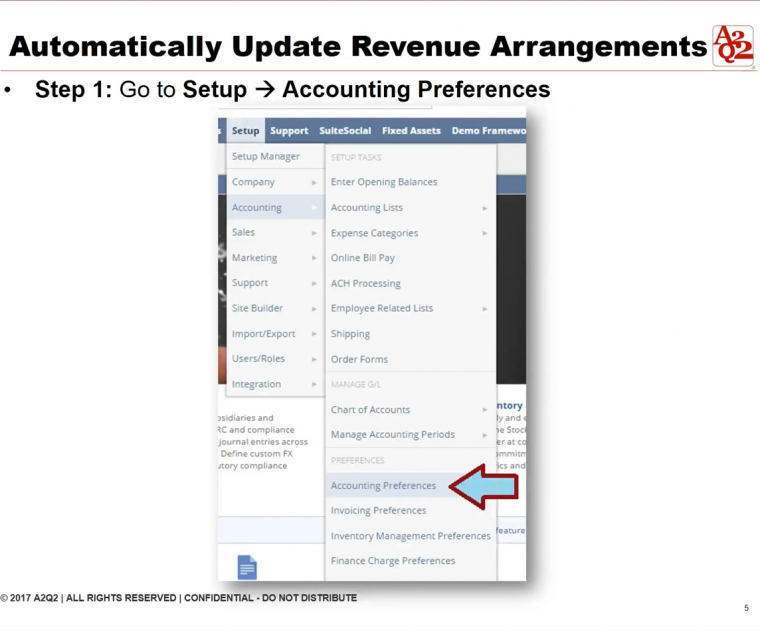
#89 | NetSuite Updating Revenue Arrangements
Updating revenue arrangements and revenue elements can be done either automatically or manually. In this guide, you’ll learn the step by step procedure for updating NetSuite revenue arrangement and the items that will be affected for the preferences selected.
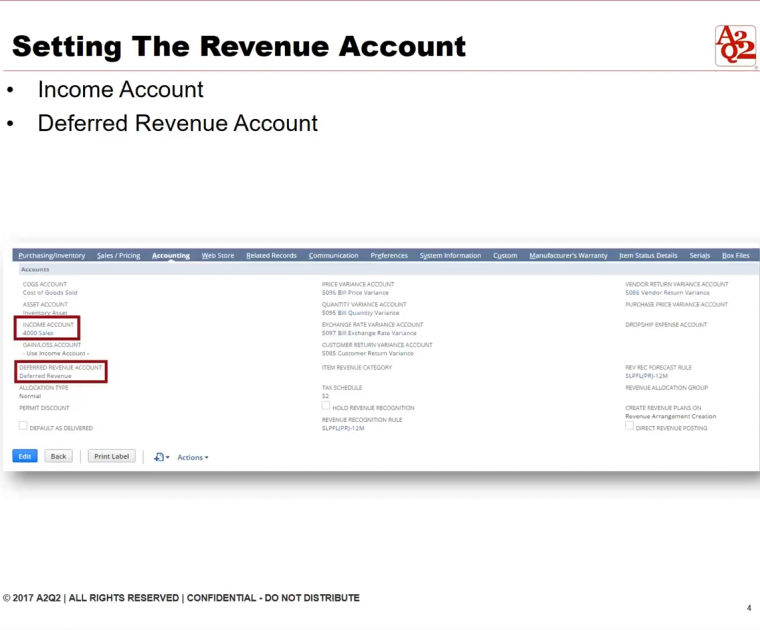
#88 | NetSuite Configuring Items for Advanced Revenue Management (ARM)
Once Advanced Revenue Management is set up in your NetSuite account, you need to familiarize yourself with the settings and preferences. In this guide, you will learn how to configure NetSuite Advanced Revenue Management items.
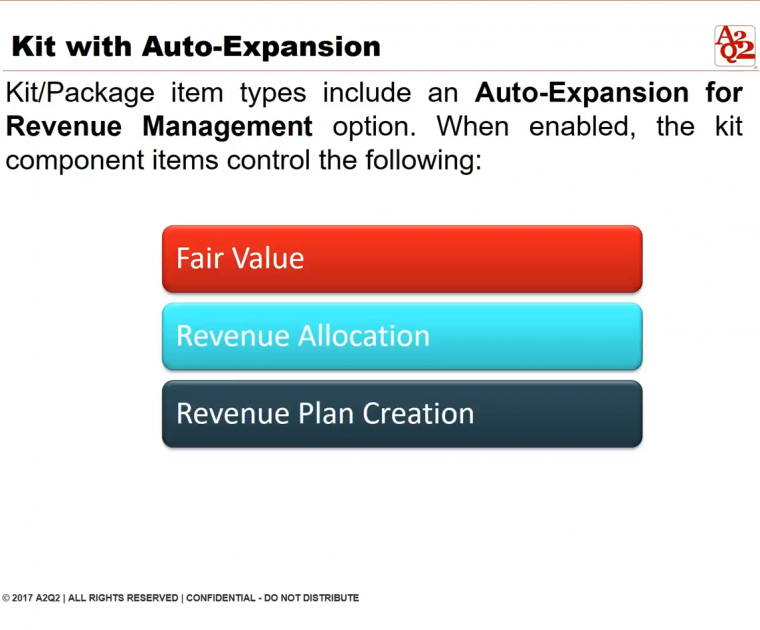
#87 | NetSuite Auto-Expansion of Kit Items
In this blog guide, you will learn about Auto-Expansion of Kit Items in NetSuite and the revenue element fields that are specific to the kits.
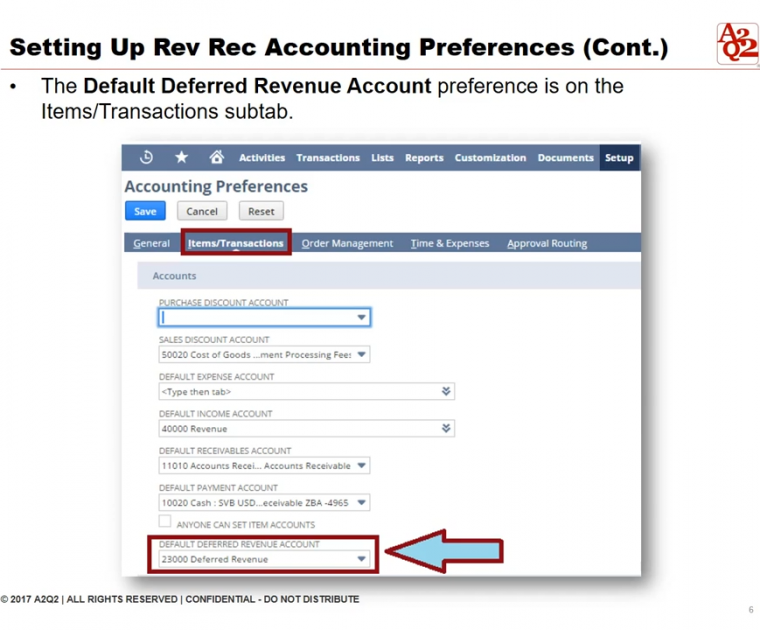
#86 | NetSuite Part 4 – Setting Advanced Revenue Management Preferences
This is the last part of the tutorial on Setting Up Advanced Revenue Management in…