What Is SOX Compliance and Why Is It Critical for Public Companies?

The Sarbanes‑Oxley Act (SOX) establishes mandatory reforms to strengthen corporate financial disclosure and to deter accounting fraud. This guide explicates SOX compliance, its relevance to public companies, and the governing regulatory obligations. It explains how SOX supports investor confidence, improves the reliability of financial statements, and mitigates regulatory exposure. The article addresses SOX fundamentals, regulatory requirements, impacts on financial reporting, the role of internal controls, recommended compliance practices, and penalties for non‑compliance.
Guide to SOX Compliance for Public Companies
SOX compliance denotes adherence to the requirements of the Sarbanes‑Oxley Act of 2002. The statute was enacted to protect investors by enhancing the accuracy and reliability of corporate disclosures. Public companies must implement and maintain rigorous internal controls and submit to periodic audits to verify compliance. A thorough comprehension of SOX requirements is essential to strengthen governance and fulfill fiduciary responsibilities to investors.
Introduction to SOX Compliance
The Sarbanes‑Oxley Act was enacted in 2002 in response to major corporate accounting failures. Its principal objective is investor protection through improved accuracy and reliability of corporate disclosures. SOX requires public companies to establish and maintain effective internal controls over financial reporting to reduce the risk of material misstatement and fraud. The statute has materially influenced corporate reporting practices by prioritizing transparency and accountability.
Critical Role of SOX Compliance
SOX compliance underpins investor trust by requiring accurate and verifiable financial information. The statute reduces regulatory and operational risk by imposing accountability on senior management for financial statements. These obligations support an organizational culture of integrity and enhance overall market confidence in corporate disclosures.
Regulatory Requirements
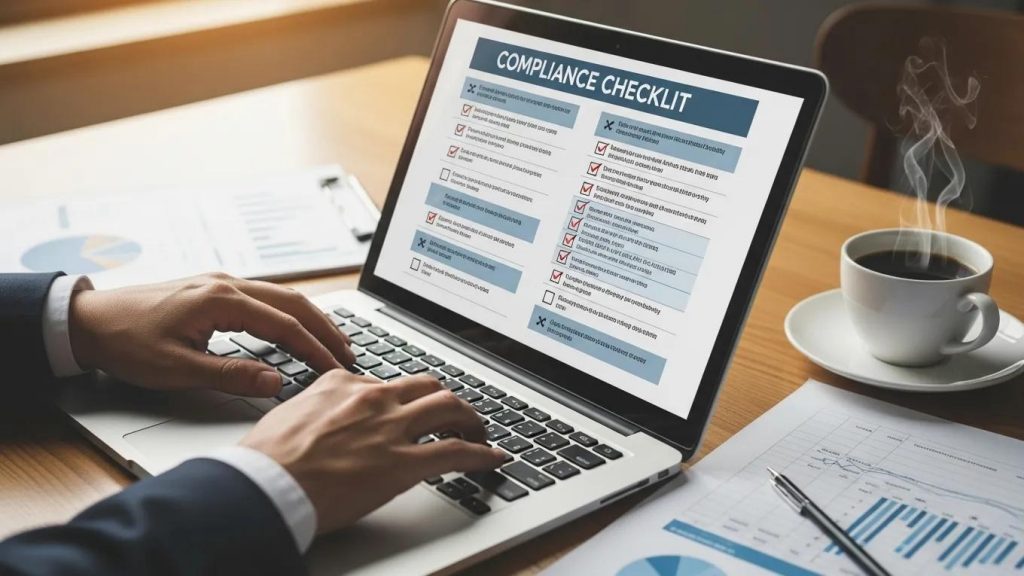
The regulatory requirements under SOX are comprehensive and address multiple facets of corporate governance. Key provisions include the establishment of internal control systems, management assessments, and external auditor attestation where applicable.
- Section 404 Requirements: Companies must establish and maintain an adequate internal control structure and procedures for financial reporting.
- Internal Control Framework: Organizations are required to assess the effectiveness of their internal controls annually.
- Annual Assessments: Public companies must provide an annual report on the effectiveness of their internal controls over financial reporting.
These mandates serve to uphold standards of financial integrity and disclosure transparency across reporting entities.
Regulatory frameworks related to SOX extend beyond the Act itself and place substantial obligations on internal control design and public disclosure processes.
SOX Regulatory Expectations for Internal Controls & Disclosure
On the regulatory side, frameworks such as Sarbanes–Oxley, the JOBS Act, and exchange listing requirements impose substantial obligations concerning internal controls and disclosure.
Late-Stage Tech IPO Readiness: A 49-Company Signal Analysis (2015–2025), 2015
Implications for Financial Reporting
SOX compliance requires disclosure of material weaknesses in internal controls and subjects financial statements to increased audit scrutiny. Companies must prepare financial reports that accurately reflect their fiscal position and disclose control deficiencies when identified. These provisions reduce the likelihood of financial misstatement and augment the reliability of published financial information.
Significance of Internal Controls
Internal controls constitute the foundation of SOX compliance. They are intended to ensure the accuracy, completeness, and reliability of financial reporting through documented policies and procedures.
- Control Activities: These are the policies and procedures that help ensure management directives are carried out.
- Monitoring Effectiveness: Companies must regularly evaluate the effectiveness of their internal controls to identify and address any weaknesses.
Effective internal controls are essential to deter fraud, detect errors, and maintain regulatory compliance.
Best Practices for SOX Compliance

Organizations should adopt established best practices to achieve and sustain SOX compliance. These practices support consistent control performance and reliable reporting.
- Documentation Practices: Maintain thorough documentation of all internal controls and procedures.
- Risk Control Matrix Development: Develop a risk control matrix to identify and assess risks associated with financial reporting.
- Employee Training: Provide regular training for employees on compliance requirements and internal controls.
Adoption of these practices enables organizations to manage SOX obligations systematically and reduce compliance risk.
A2Q2 is an accounting consulting firm that specializes in assisting fast‑growing technology companies with IPO preparation and Sarbanes‑Oxley compliance. Their services are intended to streamline compliance processes and strengthen internal control frameworks.
Consequences of Non-Compliance
Non‑compliance with SOX exposes public companies to material legal and commercial consequences. Regulatory authorities may impose sanctions where statutory obligations are unmet.
- Legal Penalties: Companies may face significant fines and legal repercussions for non-compliance.
- Financial Repercussions: Non-compliance can result in financial losses due to penalties and decreased investor confidence.
- Reputational Damage: Companies that fail to comply with SOX may suffer reputational harm, affecting their relationships with investors and stakeholders.
Awareness of these potential outcomes reinforces the necessity of proactive compliance and control remediation. If you have specific inquiries or require tailored assistance, you may contact A2Q2 directly.
Frequently Asked Questions
What Constitutes SOX Compliance and Its Legal Foundations?
SOX compliance is defined by the statutory obligations of the Sarbanes‑Oxley Act, which require public companies to design, document, and maintain internal controls over financial reporting. The legal framework is intended to restore and preserve market confidence by mandating transparent corporate governance and accountable financial disclosure.
How Do Internal Controls Facilitate SOX Compliance?
Internal controls enable SOX compliance by establishing processes to prevent, detect, and correct material misstatements in financial reports. Controls provide the mechanisms for risk identification, transaction authorisation, data integrity, and reconciliations necessary to support reliable financial statements.
What Are the Essential Internal Controls for SOX Compliance?
Essential internal controls for SOX compliance include the segregation of duties, access controls, and routine independent assessments to verify control effectiveness.
- Segregation of Duties: Ensuring that no single individual has control over all aspects of a financial transaction.
- Access Controls: Limiting access to financial data and systems to authorized personnel only.
- Regular Audits: Conducting regular audits to assess the effectiveness of internal controls and identify any weaknesses.
These controls are fundamental to preserving the integrity of financial reporting and meeting SOX obligations.
How Does SOX Section 404 Define Internal Control Requirements?
Section 404 requires public companies to establish and maintain an adequate internal control structure and procedures for financial reporting, to assess their effectiveness, and to disclose the results of that assessment in annual reports.
The mandates of Section 404 have been central to SOX compliance since enactment, requiring a methodical approach to internal control evaluation.
SOX Section 404: Internal Control Evaluation & SEC Rules
An internal control evaluation should be comprehensive and well structured. The final SEC rules on internal control were issued in 2003.
How to comply with Sarbanes-Oxley section 404: assessing the effectiveness of internal control, 2003
What Are the Standard Steps in the SOX Audit Process?
The standard steps in the SOX audit process comprise planning, evidence collection during fieldwork, and formal reporting of findings and recommendations.
- Planning: Developing an audit plan that outlines the scope and objectives of the audit.
- Fieldwork: Conducting fieldwork to gather evidence and assess the effectiveness of internal controls.
- Reporting: Preparing an audit report that summarizes the findings and provides recommendations for improvement.
Adherence to these steps supports a controlled and repeatable audit process that validates control effectiveness.
How Is Audit Readiness Established for SOX Compliance?
Audit readiness is achieved through comprehensive documentation of internal controls, routine internal assessments, and staff preparedness. Ensuring that supporting evidence and control owner attestations are current reduces the risk of adverse audit findings.
What Are the Critical Phases of the SOX Audit Process?
The critical phases include pre‑audit preparation, fieldwork, and post‑audit review and remediation.
- Pre-Audit Preparation: Ensuring that all documentation and internal controls are in place.
- Fieldwork: Conducting the audit to assess the effectiveness of internal controls.
- Post-Audit Review: Reviewing the audit findings and implementing any necessary changes to improve compliance.
Execution of each phase with documented evidence and follow‑up actions is necessary to maintain compliance and to address identified deficiencies.
How Do Public Companies Prepare for SOX Compliance During IPO Readiness?
During IPO readiness, companies must prioritize SOX compliance by establishing control frameworks, performing readiness assessments, and documenting processes to satisfy regulatory and investor expectations. Demonstrable control maturity enhances credibility during the offering process.
What Role Do CFOs, IT, and Engineering Teams Play in SOX Readiness?
CFOs, IT, and engineering teams each have defined responsibilities in SOX readiness. CFOs oversee financial reporting and governance. IT manages application and infrastructure controls. Engineering supports system development and change management that affects financial processes.
Beyond functional responsibilities, cultivating a governance framework and a compliance‑oriented culture—particularly for IT controls—is essential to sustained readiness.
IT Controls & Governance for SOX Compliance Culture
Clear policies, procedures, and accountability structures support a culture of compliance. Strong governance provides the foundation for effective IT controls and audit processes.
Building Organizational Defense: A Comprehensive Approach to Implementing IT Controls for SOX Compliance, 2024
How Does SOX Compliance Impact Financial Reporting Controls?
SOX requires organizations to implement controls that ensure the integrity of financial reporting. Companies must document control objectives, test control effectiveness, and disclose material weaknesses, thereby enhancing investor confidence in reported results.
Which Tools and Software Enhance SOX Compliance Efficiency?
Various software solutions can increase SOX compliance efficiency by centralizing documentation, managing audit workflows, and supporting risk assessments.
- Compliance Management Software: Streamlines the management of compliance processes and documentation.
- Audit Management Tools: Facilitates the audit process by providing tools for planning, execution, and reporting.
- Risk Assessment Software: Helps organizations identify and assess risks associated with financial reporting.
Appropriate tools reduce manual effort, improve traceability, and support a defensible audit trail.
What Features Should SOX Compliance Software Include?
SOX compliance software should provide robust document management, immutable audit trails, and flexible reporting capabilities to support control testing and regulator responses.
- Document Management: Tools for organizing and managing compliance documentation.
- Audit Trail: Features that provide a clear record of all compliance-related activities.
- Reporting Capabilities: Tools for generating reports on compliance status and audit findings.
These capabilities are necessary to demonstrate control effectiveness and to facilitate timely remediation of identified deficiencies.
How Does Automation Support SOX Internal Control Monitoring?
Automation enables continuous monitoring of controls, timely detection of exceptions, and efficient generation of evidence for audits. Automated controls and reporting reduce manual intervention and enhance the reliability of control operations.
What Are the Consequences of SOX Non-Compliance for Public Companies?
The consequences of SOX non‑compliance can be material and include regulatory sanctions, financial loss, and reputational impairment.
- Legal Penalties: Companies may face significant fines and legal repercussions for failing to comply with SOX regulations.
- Financial Repercussions: Non-compliance can lead to financial losses due to penalties and decreased investor confidence.
- Reputational Damage: Companies that fail to comply with SOX may suffer reputational harm, affecting their relationships with investors and stakeholders.
These potential outcomes underscore the requirement for proactive compliance governance and timely remediation of control failures.
What Legal and Financial Risks Arise from SOX Violations?
SOX violations may give rise to civil litigation, administrative fines, and erosion of investor trust. Heightened regulatory scrutiny can follow documented control failures, increasing operational and financial exposures.
How Can Companies Mitigate SOX Compliance Risks?
Organizations can mitigate compliance risk through structured training, systematic internal audits, and formalized risk management processes that prioritize control design and testing.
- Regular Training: Providing ongoing training for employees on compliance requirements and internal controls.
- Internal Audits: Conducting regular internal audits to assess the effectiveness of compliance efforts.
- Risk Management Strategies: Developing and implementing risk management strategies to identify and address potential compliance risks.
Implementing these measures reduces the probability of control deficiencies and supports sustained compliance performance.
To discuss how A2Q2 can support SOX readiness efforts for your organization, contact their professional team for a consultation.
Conclusion
Understanding and implementing SOX compliance is essential for public companies to protect investors and ensure accurate financial reporting. Organizations should maintain effective internal controls, adhere to regulatory requirements, and pursue continuous improvement in governance practices. For guidance on achieving and sustaining SOX readiness, consult available resources and engage qualified advisors.
Leave a Reply